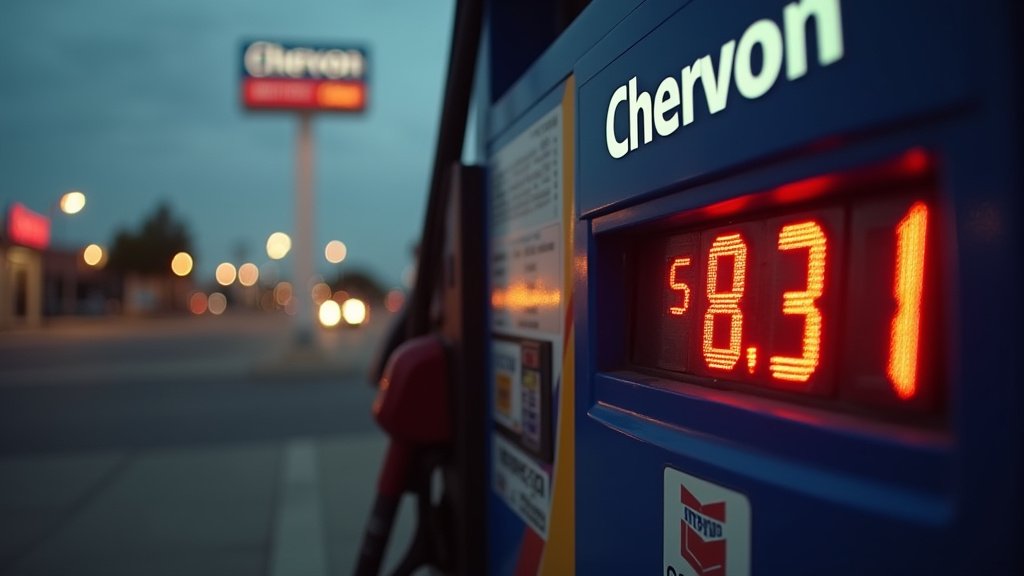
A lone Chevron station in Los Angeles has become a focal point for the city’s soaring gas prices, with reports indicating it was charging an astonishing $8.31 per gallon for regular gasoline on a recent Tuesday. This price point is a significant outlier compared to the Los Angeles average, which hovers around $5.37 per gallon. The dramatic increase in fuel costs is largely attributed to the escalating conflict in the Middle East, following U.S. and Israeli attacks on Iran, which have sent global oil prices surging.
Extreme Prices and Contributing Factors
The Chevron station, located at 901 N Alameda Street on the edge of LA’s Chinatown, has been featured in news stories illustrating the high cost of fuel in California. While the extreme price at this particular station is an outlier, it underscores the broader trend of rapidly increasing gas prices affecting the region. Experts suggest that the conflict has led to oil prices exceeding $100 per barrel for the first time in years, prompting fuel markets to rapidly adjust to the risk of prolonged disruptions to global supply.
Several underlying factors contribute to California’s consistently higher gas prices. These include the state’s unique requirement for a specific CARB-compliant fuel blend, which cannot be easily imported from other states, creating a near-isolated market. Additionally, California imposes some of the highest gas taxes in the nation, coupled with a cap-and-trade carbon program that adds costs at the refinery level. Limited pipeline connections to major U.S. oil hubs and refinery vulnerability to outages further contribute to a structural premium baked into every gallon of gas.
The Impact on Consumers and Businesses
The surge in gas prices is not only impacting individual drivers but also small businesses. Owners report that the increased cost of fuel directly affects their ability to operate, whether it’s through increased delivery costs for ingredients or the general impact on consumer spending. Many drivers are expressing shock and seeking ways to mitigate the financial strain, with some resorting to bargain hunting for cheaper gas stations a few miles away.
Authorities have noted that while high prices can be galling, they are not necessarily illegal unless they are due to a declared federal, state, or local emergency. Nevertheless, the current situation is creating significant financial pressure on residents and businesses across Los Angeles and the wider California region.
FAQ: People Also Ask
Why are gas prices so high in California?
California’s gas prices are historically higher due to a combination of factors including state taxes, environmental regulations requiring a specific fuel blend, a limited refining capacity, and the state’s isolated market which makes importing fuel more expensive. The current geopolitical situation in the Middle East has further exacerbated these costs.
Is the high gas price at the Los Angeles Chevron station legal?
While the price is exceptionally high, it is likely not considered illegal price gouging unless it’s due to a declared emergency. Businesses are generally allowed to set their own prices, even if they are significantly higher than the market average.
How does the conflict in the Middle East affect gas prices?
The conflict in the Middle East has led to increased global oil prices as markets fear disruptions to supply chains. This directly impacts the cost of crude oil, which is the primary component of gasoline, leading to higher prices at the pump worldwide, particularly in regions heavily reliant on oil imports.