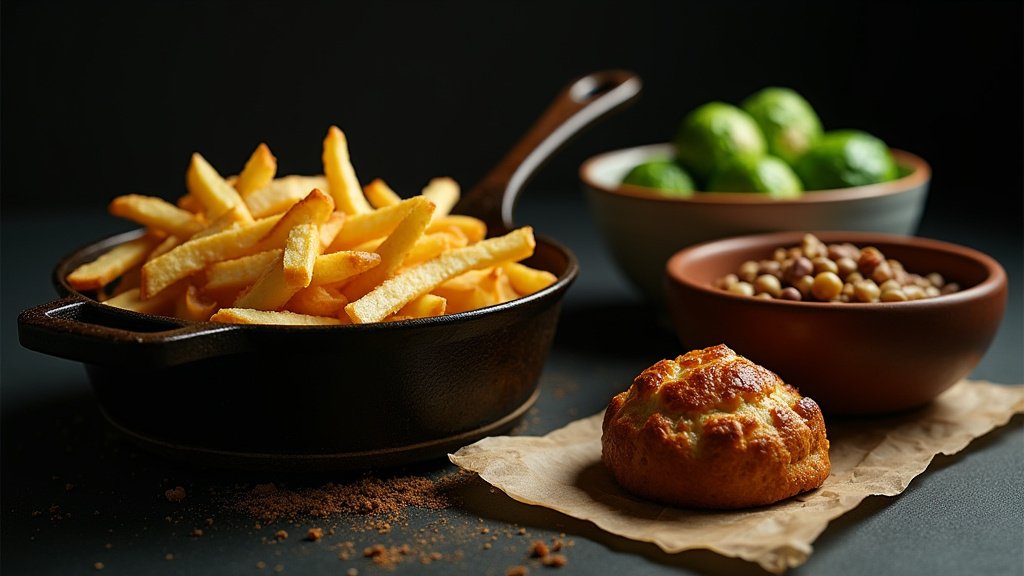
The culinary landscape of 2026 is set to be significantly shaped by an intensified focus on fiber. This nutrient is not only being recognized for its role in gut health and digestive wellness but also for its ability to promote satiety. Experts observe a clear shift in consumer priorities, with fiber now overtaking protein as the leading wellness concern for many. This trend is manifesting in various ways: high-fiber ingredients such as Brussels sprouts, broccoli, legumes, and whole grains are appearing more frequently on menus and in grocery aisles. Furthermore, brands are actively reformulating products to include added fiber, with pastas, crackers, breads, and beverages showcasing this ingredient. Even convenience items like nutrition shakes and ready-to-eat meals are emphasizing their fiber content, signaling a holistic integration of this nutrient into everyday eating habits.
In a fascinating turn, traditional ingredients are experiencing a renaissance, with beef tallow leading the charge. Once a staple in cooking for its rich flavor and high smoke point, tallow is being rediscovered by consumers seeking ancestral ingredients and alternatives to modern oils. Its versatility is evident as it’s appearing in both home kitchens and restaurant settings, enhancing everything from french fries to pastries. This embrace of tallow aligns with a broader trend towards nostalgic comfort foods. The demand for personal-sized treats, such as individual cake slices and cinnamon rolls, reflects a desire for familiar, comforting indulgences that offer a sense of ease and pleasure.
The palate in 2026 will be adventurous, embracing a dynamic interplay of global flavors and the popular “swicy” (sweet and spicy) profile. Indian cuisine, in particular, is moving beyond traditional restaurant formats into the fast-casual sphere, making it more accessible. Ingredients like guava and black sesame are expected to rise in popularity, adding unique dimensions to dishes and beverages. Complementing these bold flavors is a growing trend towards mindful sweetness. Consumers are increasingly opting for desserts and products that are subtly sweetened with natural sources like fruit, honey, or maple syrup, indicating a preference for less processed and more wholesome sweet options.
As consumers navigate economic considerations, the concepts of value and convenience are becoming paramount in the food industry. Restaurants and fast-food establishments are focusing on delivering substantial meals at accessible price points, ensuring that affordability does not compromise satisfaction. This emphasis on value is also driving innovation in the convenience food sector, particularly within the frozen aisle. A new wave of premium frozen meals, appetizers, and sides promises restaurant-quality dining experiences at home with minimal preparation. This trend caters to busy lifestyles and budget-conscious individuals seeking delicious, convenient, and elevated meal solutions.
FAQ: People Also Ask
Q: What is the “fibermaxxing” trend?
A: Fibermaxxing refers to a dietary trend focused on increasing fiber intake for improved gut health, digestion, and overall wellness. It involves incorporating more fiber-rich whole foods and seeking out products with added fiber.
Q: Why are cappuccinos making a comeback?
A: Cappuccinos are regaining popularity due to their balanced composition and emphasis on traditional coffee craft, offering a sophisticated alternative to milk-heavy lattes.
Q: What does “swicy” mean in food trends?
A: “Swicy” is a portmanteau of “sweet” and “spicy,” describing a flavor profile that combines both sweet and savory elements, often with a hint of tanginess.