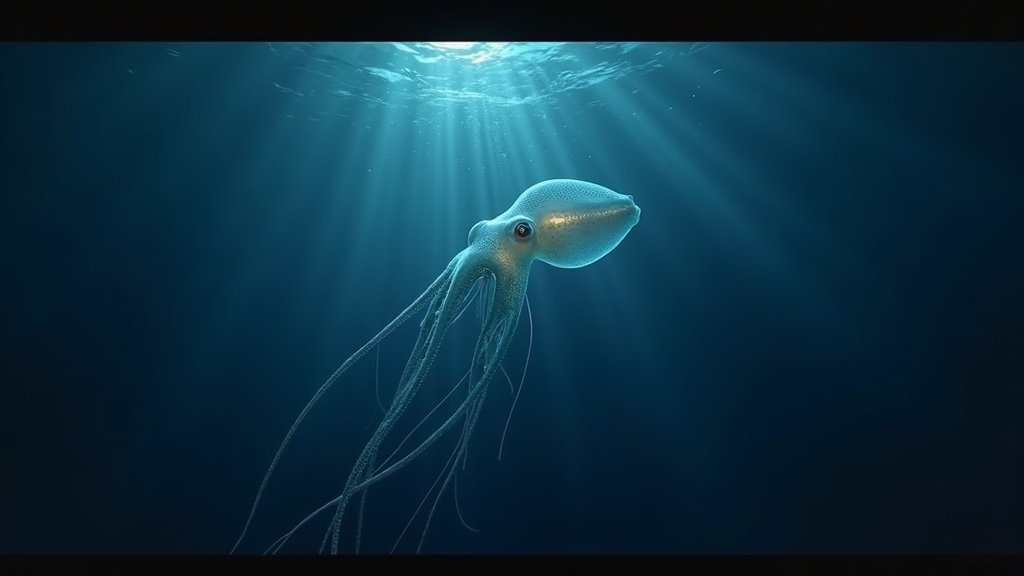
In a move underscoring the urgent need to address declining marine populations, experts are sounding the alarm for increased international cooperation to protect the jumbo flying squid (Dosidicus gigas). This vital fishery resource, the most harvested invertebrate in the South Pacific, faces a significant yield decrease in recent years, prompting a global appeal for coordinated monitoring, assessment, and management strategies. The findings, published in the prestigious journal Science, highlight a critical gap in our understanding of this species’ stock across its vast distribution, a deficit that experts believe is exacerbated by its short life cycle and vulnerability to environmental shifts and human activities.
A Critical Fishery Resource Under Pressure
The jumbo flying squid, also known as the Humboldt squid, is a cornerstone of marine ecosystems and economies across the eastern Pacific Ocean, from the west coast of South America northwards to California. Its importance extends beyond its ecological role; it is a crucial fishery resource, supporting livelihoods and global food security. In Peru, for instance, squid constitutes a significant portion of the country’s export product, underpinning local economies. The fishery, managed in part by the South Pacific Regional Fisheries Management Organization (SPRFMO), has seen dramatic increases in annual catches over the years. However, this growth has occurred despite a fundamental lack of comprehensive stock assessments across the species’ entire range, leaving its long-term sustainability in question.
The Mounting Threats: Climate Change and Human Impact
Scientists have pointed to a confluence of factors contributing to the squid’s vulnerability. Climate change, particularly ocean acidification driven by rising CO2 levels, poses a significant threat, potentially depressing the squid’s metabolic rates and activity levels, making it harder to hunt and avoid predators. Research indicates that increased acidification can reduce oxygen availability near the surface, forcing these adaptable creatures into less hospitable waters and compressing their habitable depth range. Compounding these environmental pressures are human activities. The jumbo flying squid’s rapid growth, short lifespan (typically 1-2 years), and migratory nature make it susceptible to overfishing. The vast, highly mobile fleets, often operating in unregulated high seas areas, contribute to substantial fishing effort. Data from recent years shows a concerning trend of increasing fishing effort, with a significant portion of this activity occurring outside the jurisdiction of established management bodies. This unregulated fishing, often characterized by light-luring techniques, raises concerns about illegal, unreported, and unregulated (IUU) fishing and the potential for overexploitation.
A Unified Front: The Call for International Cooperation
The current situation has galvanized experts to call for a unified global response. The appeal published in Science specifically advocates for a comprehensive stock assessment that spans the entire distribution of the jumbo flying squid. This would involve enhanced international collaboration among countries involved in harvesting the species, including Peru, Chile, Ecuador, China, Japan, and South Korea. Key to this cooperation are improved monitoring procedures, better data collection, and the establishment of more effective international management frameworks. Organizations like the SPRFMO are working towards this, with recent efforts focusing on limiting fishing effort and increasing observer coverage. However, critics argue that the current management is fragmented and insufficient, particularly concerning fishing in unregulated international waters.
Safeguarding Future Food Security and Coastal Livelihoods
The implications of failing to protect the jumbo flying squid extend far beyond the species itself. As a significant source of food for millions and a vital economic engine for coastal communities, its decline could have cascading effects on global food security and the livelihoods dependent on this fishery. The news surrounding this appeal highlights a trending concern in marine conservation: the need for proactive, collaborative management in the face of environmental change and intensifying fishing pressures. Without concerted international action, this commercially and ecologically vital species risks further decline, underscoring the critical importance of a united approach to safeguarding our ocean’s resources for future generations. The ongoing discussions and research are crucial for developing effective strategies that balance the needs of human populations with the imperative of marine ecosystem health.