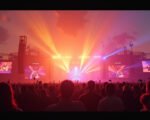
France has officially recognized its vibrant French Electronic Music scene, integrating it into the nation’s Intangible Cultural Heritage. This landmark decision, announced on Wednesday, December 17, 2025, marks a significant victory for club culture and the broader landscape of French Electronic Music. It acknowledges decades of innovation and celebrates France’s global influence on sound. This recognition is a major step, paving the way for potential UNESCO World Heritage status for French Electronic Music.
A Historic Designation for French Electronic Music
French Culture Minister Rachida Dati made the announcement, stating that French Electronic Music “has a rightful place in our national intangible heritage.” This move validates a genre often misunderstood, elevating electronic music from the fringe to the forefront of French culture. The ministry also created a new label to identify nightclubs as “places of artistic expression and celebration,” reinforcing their cultural importance within the context of French Electronic Music.
Roots of the Beat: The Evolution of French Electronic Music
France boasts a rich history in electronic music. Pioneers like Jean-Michel Jarre emerged in the 1970s, pushing the boundaries of sound. Later, the “French Touch movement” gained global acclaim, with artists like Daft Punk, Justice, and Cassius defining this era through their disco influences and filtered house sounds. Underground techno artists also significantly shaped the scene; Laurent Garnier and Manu Le Malin are notable figures whose contributions laid essential groundwork for French Electronic Music.
Voices of Recognition for French Electronic Music
President Emmanuel Macron championed this initiative, calling for French Electronic Music to gain UNESCO status and emphasizing France’s pioneering role. He stated, “We are the inventors of electro. We have that French touch.” Jean-Michel Jarre, a long-time advocate and UNESCO Ambassador, expressed his joy, noting the music’s rightful place in world heritage. Tommy Vaudecrane, who leads Technopol, an association championing electronic music, recalled past struggles, stating that French Electronic Music was once “demonized.” He added that the current recognition brings “tears of joy.”
The Path to UNESCO: Acknowledging Dance Music Heritage
This national recognition mirrors international trends, with Germany recognizing Berlin techno and later achieving UNESCO status. France’s move follows this precedent, signifying a growing European appreciation for electronic culture and its dance music heritage. The Intangible Cultural Heritage list includes diverse practices, from culinary traditions to crafts. French Electronic Music now joins this esteemed group, highlighting the genre’s cultural significance and serving as a crucial step toward global validation and cultural preservation.
Implications for Culture and Nightlife: Protecting French Electronic Music
The designation offers more than prestige; it aims to protect and preserve the living traditions of French Electronic Music. This status helps legitimize nightclubs, now viewed as cultural institutions. This official recognition could boost support and influence future funding for events dedicated to French Electronic Music. The scene has often faced challenges, and this news provides a sense of belonging, ensuring the genre’s history is remembered and encouraging future music releases and festivals. The trending impact on the global recognition of French Electronic Music is undeniable, solidifying its national heritage status and contributing to its club culture recognition.
Conclusion: Celebrating French Electronic Music Heritage
France’s decision is a historic milestone, formally acknowledging French Electronic Music‘s cultural value. This achievement celebrates French artistry and elevates a global sound. The recognition ensures this vibrant culture thrives, marking a new era for French Electronic Music. This heritage status will inspire future generations, and the world watches as France champions its digital beats, securing its place in electronic music history.