Trump Administration Seeks to Roll Back Protections for Imperiled Species Under the Endangered Species Act
The Trump administration has proposed significant rollbacks to the Endangered Species Act (ESA). These changes aim to weaken ESA protections for imperiled species. Environmental groups and scientists strongly oppose these moves, warning of accelerated species extinction. The proposed rules largely restore a 2019-2020 framework, a framework previously challenged and altered under the Endangered Species Act.
Core of the Endangered Species Act Rollback
The administration seeks to modify key aspects of the Endangered Species Act. One major change eliminates the “blanket rule”. This rule automatically protected “threatened” species. Now, species-specific rules would be required under the Endangered Species Act. This process could take years for each species, and such delays could prove fatal for vulnerable wildlife and undermine crucial habitat protection efforts.
Another significant proposal involves economic impact analyses. Agencies would be required to consider economic factors when designating critical habitat under the Endangered Species Act. Critics argue this could allow economic interests to outweigh conservation needs. The administration claims this aligns with the Endangered Species Act’s original intent and states it respects “livelihoods”. However, environmentalists fear it prioritizes industry over species survival and effective wildlife conservation.
The definition of “harm” under the Endangered Species Act is also being re-examined. The proposed changes would limit “harm” to direct killing or injury. Habitat modification would no longer be considered “harm” under the Endangered Species Act. This could severely undermine protections for species reliant on specific habitats, impacting overall habitat protection.
Background and Context of the Endangered Species Act
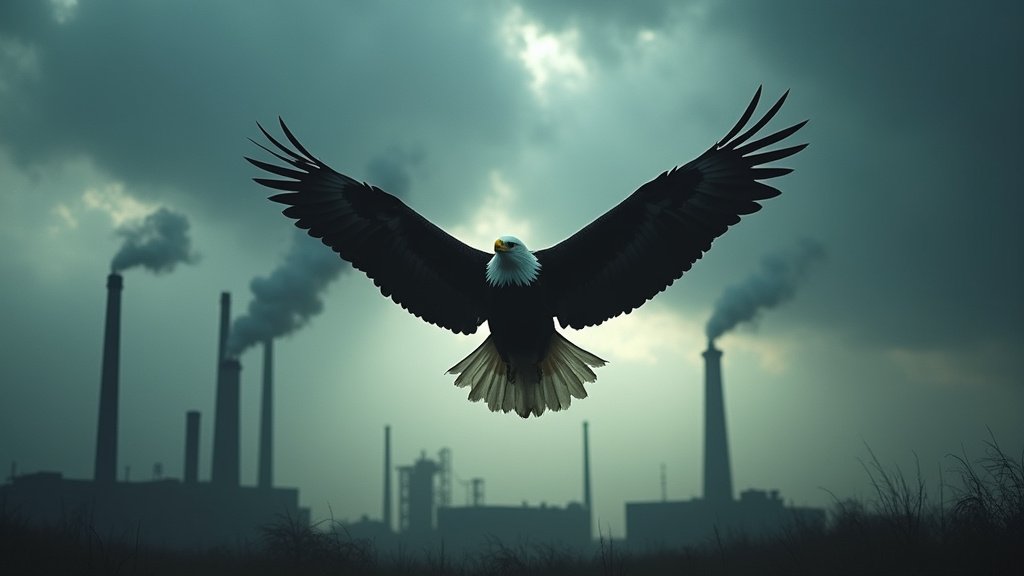
The Endangered Species Act was enacted in 1973. It is credited with saving species like the bald eagle and American alligator. The law protects over 1,600 species in the United States. The Trump administration has repeatedly sought to weaken environmental regulations, including aspects of the Endangered Species Act, with efforts to boost energy extraction and industrial access.
These proposed rules are a revival of changes first attempted in 2019 and 2020. Those initial changes faced significant backlash and legal challenges. Environmental groups filed lawsuits, arguing the changes violated environmental regulations and undermined the Endangered Species Act’s purpose. Some of these rules were later blocked or reversed. The latest proposals are presented as aligning with Supreme Court decisions like Loper Bright, though critics question their alignment with the spirit of the Endangered Species Act.
Implications and Concerns for Species Extinction
Environmental advocates express grave concerns. They argue these changes could accelerate the species extinction crisis. Species like the monarch butterfly and California spotted owl are highlighted as particularly vulnerable. The monarch butterfly, already proposed for threatened status, faces significant delays in protection. California spotted owls, living in forests on the West Coast, have seen their habitats threatened by logging and fires, further endangering their survival under weakened ESA protections.
Critics contend the rules disregard scientific data and fear a reversal of decades of conservation progress. Public opinion polls show strong support for the Endangered Species Act. Many Americans value biodiversity and want species protected, underscoring the public’s commitment to wildlife conservation.
Legal and Political Landscape Surrounding ESA Protections
The proposed rules are subject to a public comment period. Legal challenges are expected if they are finalized, particularly concerning the weakening of ESA protections. Environmental groups have already sued over similar past actions. The fight over these Endangered Species Act revisions is part of a larger political debate, pitting conservation against resource development. News reports often frame this as a conflict between industry interests and wildlife preservation. The West Coast is frequently mentioned in news coverage related to affected species like the spotted owl. This editorial decision aims to inform the public about critical environmental news and the impact of changes to the Endangered Species Act.
Conclusion on Endangered Species Act Rollbacks
The Trump administration’s proposed Endangered Species Act rollbacks represent a major shift. They aim to reduce regulatory burdens, which critics argue comes at the cost of species protection and effective habitat protection. The future of many imperiled species hinges on the outcome of this regulatory and potential legal battle. The debate underscores the ongoing tension between economic development and ecological conservation, with profound implications for wildlife conservation and the long-term viability of the Endangered Species Act.