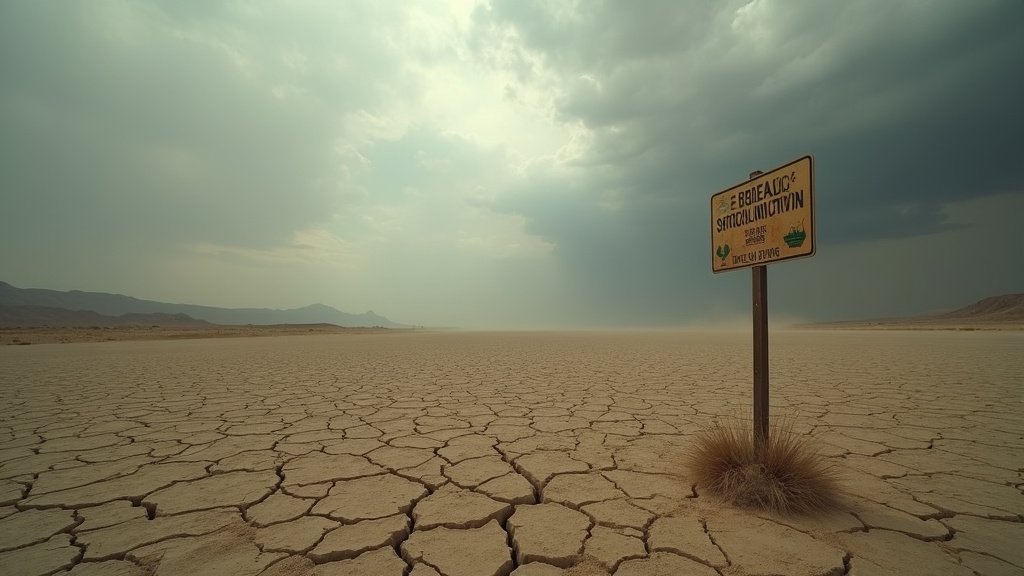
A critical November 11, 2025, deadline for seven Western states to agree on a comprehensive water-sharing plan for the drought-stricken Colorado River has passed without a deal, casting uncertainty over the future water supply for an estimated 40 million people. While the U.S. Department of the Interior and the Bureau of Reclamation have granted an extension to continue negotiations, citing progress made, the fundamental disagreements surrounding the Colorado River Deal between the Upper and Lower Basin states persist. The current operating guidelines that govern the river’s management are set to expire at the end of 2026, making the need for a new Colorado River Deal even more pressing.
Deepening Divisions and Escalating Tensions in the Colorado River Deal
The negotiations have become mired in deep-seated conflicts, particularly between the Upper Basin states—Colorado, New Mexico, Utah, and Wyoming—and the Lower Basin states of Arizona, California, and Nevada. A key point of contention in the Colorado River Deal is the allocation of water cutbacks during increasingly severe drought conditions. Arizona’s political leaders have publicly urged the Trump administration to apply greater pressure on upstream states, labeling their negotiating stance as “extreme” and arguing that the Upper Basin states are unwilling to commit to necessary water reductions while demanding significant cuts from the downstream states. The Upper Basin states maintain that they already use less water than allocated and have faced shortages, while the Lower Basin states insist that all seven states must participate equally in conservation efforts under the water sharing agreement.
A River Under Unprecedented Stress: The Colorado River Drought
The Colorado River, a vital resource for the American West, has been grappling with a multi-decadal megadrought, exacerbated by climate change, leading to a significant decline in its flows. Annual river flows have diminished by at least 20% since the turn of the century, pushing the Lake Mead levels and other reservoir levels to critically low elevations. The original Colorado River Compact of 1922, which established the framework for water distribution, is now widely recognized as having allocated more water than the river can reliably supply, leading to persistent shortages. The existing infrastructure and legal frameworks were not designed for such prolonged scarcity, underscoring the urgent need for an updated and sustainable Colorado River Deal.
Federal Intervention and Legal Uncertainties in the Colorado River Deal
Key challenges in the ongoing talks include resolving complex legal water rights, particularly those of numerous tribal nations, and determining the extent of mandatory water usage reductions. The Upper Basin states have largely resisted committing to firm water cuts, a position that clashes with the Lower Basin states’ demand for shared reductions in this crucial water sharing agreement.
Should the states fail to reach a consensus on the Colorado River Deal, the federal government, through the Bureau of Reclamation, has indicated it will implement its own plan to manage the river. The Bureau is developing an environmental impact statement with various operational alternatives, aiming for final post-2026 guidelines by August 2026, following a draft release in summer 2025. This potential federal takeover or the alternative of lengthy legal battles represents significant stakes for all parties involved in the Colorado River drought discussions.
Broader Implications for Western States Water
The lack of a timely agreement on the Colorado River Deal has far-reaching consequences for the millions who depend on the Colorado River for drinking water, agriculture, industry, and tribal communities across the West. Arizona, for instance, relies heavily on the Central Arizona Project (CAP) canal system, which delivers Colorado River water to its major population centers and agricultural lands; any substantial reallocation poses a direct threat to the state’s water security. While short-term conservation agreements have been extended through 2026 to help stabilize reservoir levels, these measures are temporary. The ongoing uncertainty surrounding the post-2026 management plan continues to create instability for businesses, communities, and traditions deeply connected to the river’s flow. This news from the West highlights a critical juncture for the region’s Western states water future and sustainability. This editorial news is a call for urgent action on the Colorado River Compact and related water cutbacks negotiations.