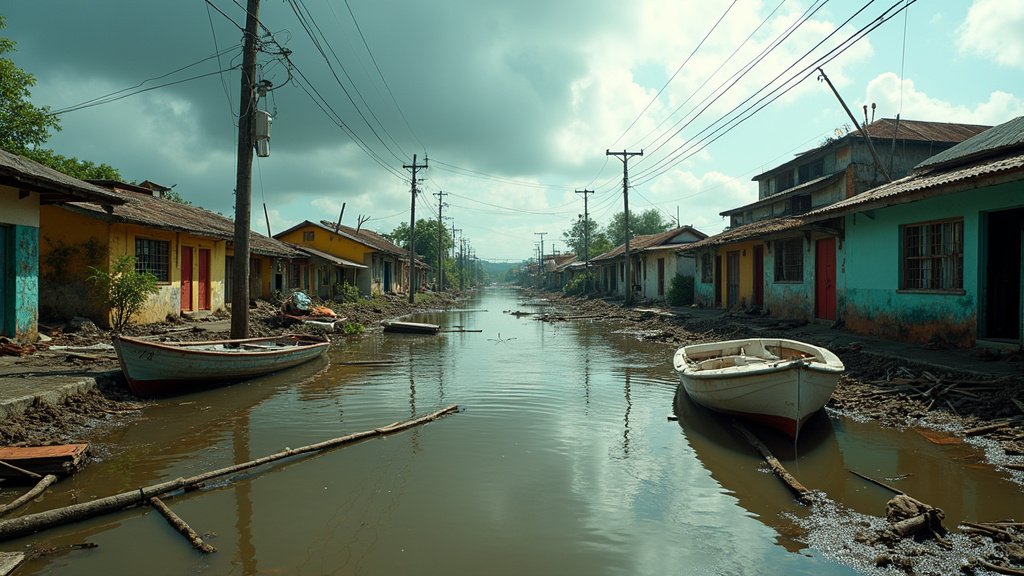
Hurricane Melissa Unleashes Catastrophe on Jamaica’s Southwestern Coast, Leaving Trail of Unprecedented Destruction
KINGSTON, JAMAICA – Jamaica is grappling with the aftermath of Hurricane Melissa, a catastrophic Category 5 storm that made a direct hit on the island’s south-western coast on October 28, 2025. The hurricane, packing sustained winds of 185 mph and a central pressure of 892 millibars, unleashed destructive fury across much of the island, causing widespread devastation and an unfolding humanitarian crisis. This marks the most intense hurricane to ever make landfall in Jamaica’s recorded history, surpassing previous benchmarks and delivering a severe blow to its infrastructure and economy.
The Fury of a Monster Storm
Hurricane Melissa rapidly intensified from a tropical storm into a Category 5 behemoth in approximately 39 hours before striking Jamaica near New Hope, Westmoreland Parish, around 1:00 PM EDT. The storm’s immense power brought not only ferocious winds but also torrential rainfall and life-threatening storm surges, inundating coastal areas and triggering deadly landslides in higher terrain. Its slow movement across the region allowed for prolonged exposure to its destructive core, exacerbating the damage across the western and northwestern parts of the island.
Widespread Devastation Across the Island
The impact of Hurricane Melissa has been profound and far-reaching, affecting numerous parishes. Western Jamaica bore the brunt of the storm’s onslaught, with areas like Montego Bay experiencing severe flooding and infrastructure damage. Many communities, including the port town of Black River in St. Elizabeth, have been described as almost completely wiped out. Initial assessments indicate that at least 40 percent of buildings and roads in the western part of the island sustained damage. Critical infrastructure, including major hospitals like Cornwall Regional Hospital, Noel Holmes Hospital, and Savanna-la-Mar Hospital, suffered severe damage to their structures and essential services. Telecommunications and power grids were extensively disrupted, leaving a significant portion of the island without electricity and communication for days.
Economic Cataclysm and Tourism Setback
The economic fallout from Hurricane Melissa is staggering. Preliminary government estimates place the total damage between US$6 billion and US$7 billion, representing approximately 28 to 32 percent of Jamaica’s Gross Domestic Product (GDP). Moody’s, however, has issued a more dire assessment, estimating economic losses could exceed US$20 billion, dwarfing initial figures and signalling a profound economic crisis. The tourism sector, a cornerstone of Jamaica’s economy, has been severely impacted, particularly in the hardest-hit western regions. Many resorts faced extended timelines for reopening, jeopardizing the crucial upcoming peak tourism season. Agricultural output has also been devastated, with widespread destruction of crops and livestock, further compounding economic hardship.
A Heavy Humanitarian Toll
The human cost of Hurricane Melissa is still being tallied, but early reports confirm a significant loss of life. Authorities have confirmed at least 32 deaths in Jamaica, with total fatalities across the affected Caribbean islands exceeding 75. Beyond fatalities, tens of thousands have been displaced, seeking refuge in emergency shelters as their homes were destroyed or rendered uninhabitable. The storm exacerbated pre-existing food insecurity, with millions across the region now facing urgent needs for assistance. The extensive debris, estimated at nearly 5 million metric tonnes in western Jamaica, presents a monumental cleanup challenge, hindering relief efforts and access to affected communities.
Resilience and the Road to Recovery
In the wake of the disaster, Jamaica’s government declared the entire island a disaster area, initiating immediate search-and-rescue operations and establishing emergency shelters. The Office of Disaster Preparedness and Emergency Management (ODPEM), alongside local authorities and international partners, is coordinating relief efforts, including the distribution of food, water, and medical supplies. The Ministry of Tourism has activated a Hurricane Melissa Recovery Task Force with a target to have the industry fully operational by December 15. International aid has begun to flow in, with the US mobilizing disaster response teams and the UK providing significant humanitarian funding. Financial mechanisms like catastrophe bonds and insurance payouts from CCRIF are also providing critical funding for recovery efforts.
As Jamaica embarks on the arduous task of recovery, the sheer scale of destruction left by Hurricane Melissa underscores the region’s vulnerability to extreme weather events. The disaster serves as a stark reminder of the increasing intensity of tropical cyclones, a trend scientists link to climate change. While the island nation has a history of resilience, the magnitude of this catastrophe presents unprecedented challenges, demanding sustained national and international support for rebuilding livelihoods, infrastructure, and hope along the storm-ravaged coast.