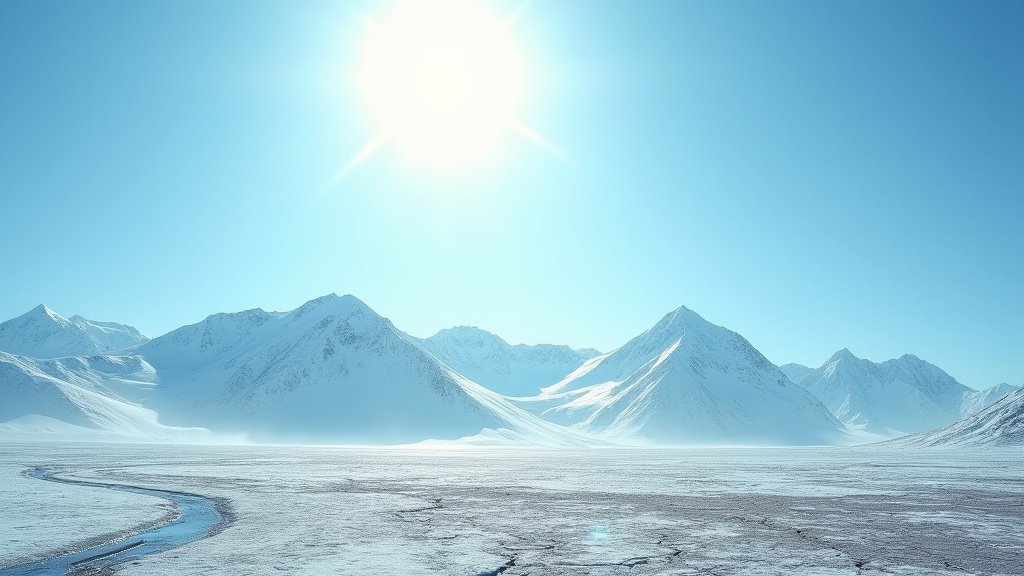
A historic heatwave is currently searing California, causing an unprecedented acceleration in the melting of the Sierra Nevada snowpack, a critical natural reservoir for the state’s water supply. Temperatures soaring 20 to 30 degrees Fahrenheit above normal are rapidly diminishing the snowpack, which is essential for replenishing reservoirs during the drier spring and summer months. Climate scientists warn that this rapid melt, occurring much earlier than usual, could lead to significant water shortages later in the year, impacting everything from agriculture to urban consumption.
Snowpack’s Crucial Role in California’s Water System
California’s water infrastructure has long relied on the Sierra Nevada snowpack as a natural water storage system. Historically, snow accumulates throughout the winter and gradually melts in the spring and summer, releasing water into rivers and reservoirs. This steady release ensures a consistent water supply for millions of residents, vast agricultural operations, and vital ecosystems. However, the current warming trend and increasingly intense heatwaves are disrupting this natural cycle. The snowpack is melting faster and earlier than ever recorded, with some areas experiencing complete melt-off far ahead of schedule. This early melt means less water is available during the peak demand periods of late spring and summer, creating a precarious situation for water management.
Climate Change and the Accelerating Melt
Experts overwhelmingly attribute the current extreme weather patterns, including the record-breaking heatwave and rapid snowmelt, to climate change. The past winter was one of the warmest on record for the U.S. Southwest, resulting in less snow accumulation and more precipitation falling as rain. This diminished snowpack is now being rapidly depleted by the unseasonably warm temperatures, a phenomenon described as a “snow-eater heat wave.” The accelerated melt not only threatens water supply but also increases the risk of early and more intense wildfire seasons as vegetation dries out more quickly.
Impacts on Water Supply and Reservoirs
While California’s major reservoirs are currently reported to be in good condition, thanks to substantial precipitation in previous years, the rapid snowmelt presents a significant long-term risk. Water managers are concerned that if too much snow melts too early, the water may be lost before it can be effectively stored or utilized during the crucial summer months. Furthermore, the rapid melt can lead to dangerous conditions in rivers and streams, with increased water levels and swift currents. This poses risks to outdoor recreational activities and complicates water management as reservoirs need to maintain space for potential flood control even as they aim to capture meltwater.
Future Outlook and Water Management Challenges
The current situation highlights the urgent need for adaptive water management strategies in the face of a changing climate. Scientists predict that such extreme heat events and their impact on snowpack are likely to become more frequent and intense in the coming decades. This necessitates a reevaluation of how California plans for and manages its water resources, potentially including investments in new storage infrastructure and more efficient water use practices. The long-term health of California’s water supply hinges on addressing the root causes of climate change and implementing innovative solutions to mitigate its effects.
FAQ: People Also Ask
Q1: How much of California’s water supply comes from snowpack?
A1: The Sierra Nevada snowpack typically provides about one-third of California’s water supply, acting as a vital natural reservoir that replenishes the state’s water systems throughout the spring and summer months.
Q2: What are the immediate dangers of rapid snowmelt?
A2: Rapid snowmelt can lead to dangerous conditions in rivers and streams, including rising water levels and swift currents, posing risks to recreationalists and increasing the potential for localized flooding.
Q3: How is climate change contributing to this phenomenon?
A3: Climate change is contributing by causing warmer winters with less snow accumulation and by driving extreme heatwaves, like the current one, that accelerate the melting of the existing snowpack much earlier than normal.