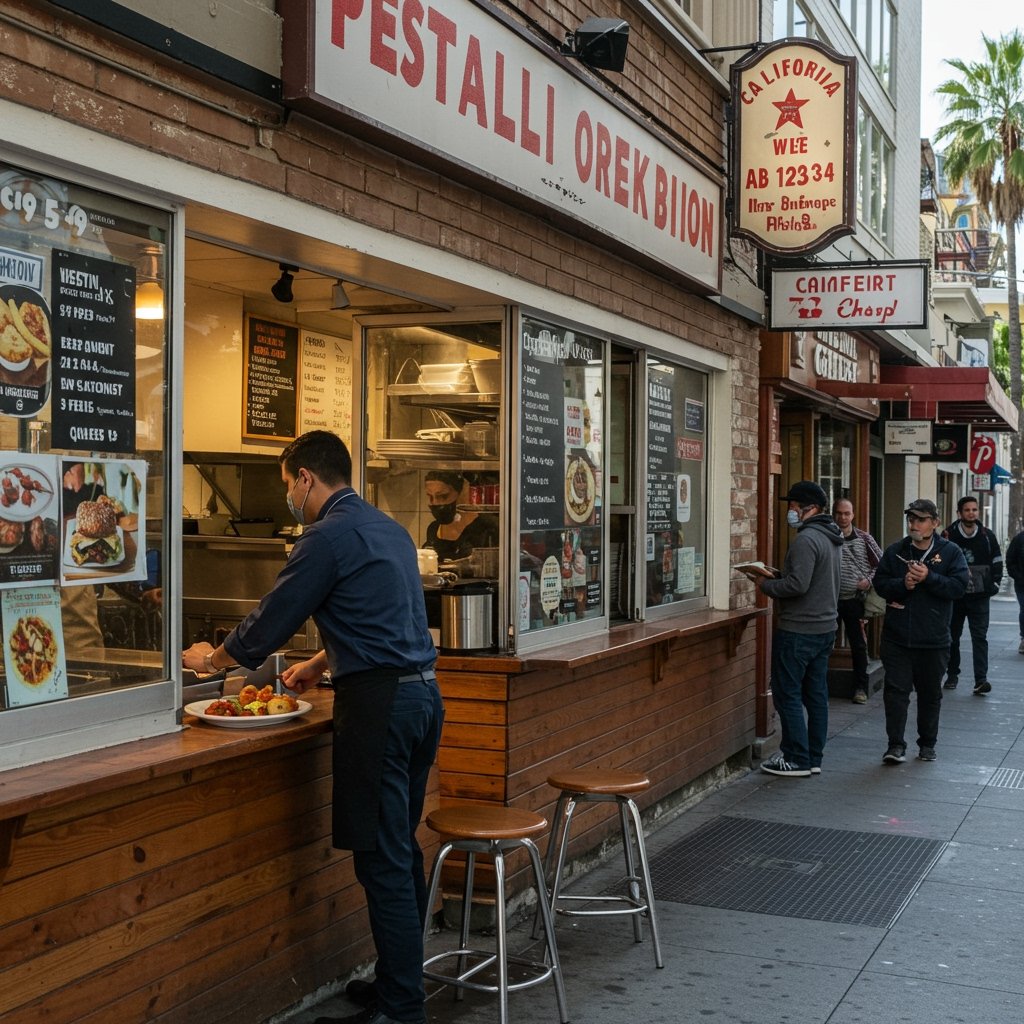
California Restaurants Brace for Historic Wage Hike as AB 1234 Takes Effect
Sacramento, CA – The California restaurant industry is standing on the precipice of a significant financial transformation as Assembly Bill 1234 (AB 1234), landmark legislation establishing a new, tiered minimum wage structure for food service workers, is officially set to take effect on February 15, 2025. This bill marks one of the most substantial minimum wage adjustments seen in the state’s history for this specific sector, prompting widespread discussion, concern, and cautious optimism across California.
Understanding AB 1234: The New Wage Tiers
At the heart of AB 1234 is the creation of a bifurcated minimum wage system designed to address the perceived disparity between large corporate restaurant chains and smaller, independent eateries while simultaneously aiming to provide a more livable wage in a state known for its high cost of living. Under the new law, restaurant chains operating with over 50 locations nationwide will be required to pay their food service employees a minimum of $25 per hour. This higher tier is intended to reflect the greater financial capacity of large, established enterprises.
Conversely, independent restaurants, generally defined as those with 50 or fewer locations, will face a slightly lower, though still significant, minimum wage mandate of $22 per hour. This tiered approach acknowledges the potentially greater financial strain that a sudden, high wage increase could place on smaller, locally owned businesses. Proponents of the bill argue that even the $22 rate represents a crucial step forward for independent restaurant workers, while critics question if this distinction is sufficient to protect small businesses from undue burden.
Industry Concerns: Warnings from the California Restaurant Association
The implementation of AB 1234 has not been met without considerable apprehension from within the industry. The California Restaurant Association (CRA) has been one of the most vocal opponents of the legislation, issuing stark warnings about its potential consequences. The CRA contends that such a rapid and substantial increase in labor costs will inevitably force restaurants to make difficult decisions that could negatively impact both consumers and the workforce.
According to the CRA, the primary method for absorbing these increased expenses will likely be through significant price increases on menus. This could lead to reduced customer traffic as dining out becomes less affordable for many Californians. Furthermore, the association warns that restaurants may be forced to reduce staffing levels to offset labor costs, potentially leading to job losses across the state. They argue that while the intention is to help workers, the unintended consequence could be fewer jobs available in the sector.
Labor Advocates Hail a Victory for Workers
In contrast to the industry’s concerns, labor advocates and worker rights organizations have largely lauded AB 1234 as a landmark victory. They argue that the current minimum wage is insufficient for food service workers, many of whom struggle to afford basic necessities in California’s expensive urban centers and even increasingly, in suburban and rural areas. The estimated 500,000 workers statewide who are expected to benefit from this legislation represent a significant portion of the state’s service industry workforce.
Supporters emphasize that the bill is a necessary step towards providing fair wages that reflect the demanding nature of food service work and the rising cost of living. They believe that putting more money into the hands of these workers will not only improve their quality of life but also stimulate the local economy through increased consumer spending. For these advocates, the potential challenges faced by businesses are outweighed by the imperative to ensure workers can earn a dignified livelihood.
Restaurant Responses and Preparations
As the February 15, 2025, effective date approaches, restaurant operators across California are actively assessing their business models and strategizing ways to adapt. This preparation is particularly intense in major metropolitan areas with high operating costs, such as Los Angeles and San Francisco, where the impact of the wage hike is expected to be most acutely felt.
Restaurant owners and managers are reportedly exploring a range of operational adjustments. One significant area of focus is automation. This includes everything from self-ordering kiosks and online ordering systems to potentially automated kitchen equipment, aimed at reducing the need for certain labor functions. Another common strategy involves menu restructuring, which could include simplifying menus to improve efficiency, adjusting portion sizes, or focusing on higher-margin items to absorb increased labor expenses without prohibitive price hikes.
Other potential adjustments include optimizing staffing schedules, renegotiating supplier contracts, or even considering relocating or consolidating operations in extreme cases. The coming months are critical as businesses finalize these plans before the new wage mandates take hold.
The Economic Outlook and Future Implications
The long-term economic impact of AB 1234 remains a subject of intense debate. While labor advocates predict positive outcomes for workers and the broader economy through increased purchasing power, the CRA and other industry groups foresee potential negative consequences, including reduced employment, slower business growth, and decreased consumer spending on dining out due to higher prices.
Economists studying the issue present varied forecasts, often dependent on the specific models used and assumptions made about market elasticity and restaurant adaptability. The practical effects on February 15, 2025, and the subsequent months will provide real-world data to analyze the true impact of this ambitious legislative change on California’s vibrant, yet fragile, restaurant sector. The state watches closely as its food service industry prepares to navigate this new economic reality.