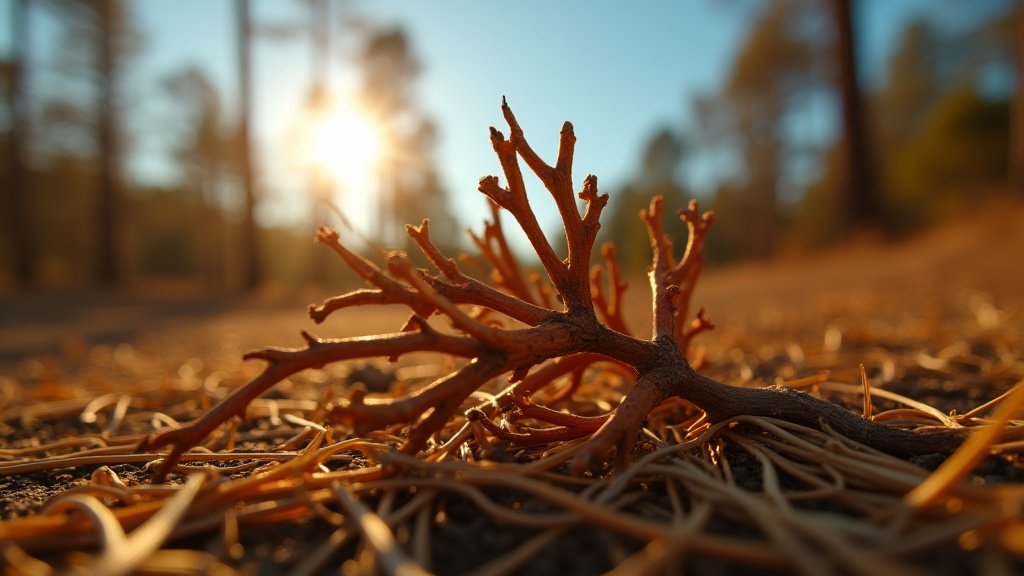
While Californians may welcome the sight of rain and mountain snow sweeping across the state this week, experts are cautioning that this late-season storm is not the panacea for the state’s growing fire anxieties. Despite the dramatic downpours and high-elevation accumulation, the current precipitation does little to address the systemic “snow drought” and record-breaking early season warmth that have already predisposed the region to a hazardous summer. The reality is that while water may dampen the landscape temporarily, the underlying climate signals and fuel moisture levels point toward an extended, dangerous wildfire season.
The Illusion of Relief
The immediate impact of this storm system is undeniable. For many drought-weary residents, the sound of rain against the windowpane offers a psychological reprieve. However, in the context of hydrological data, this storm is effectively a band-aid on a much deeper wound. According to the California Department of Water Resources (DWR), the statewide snow water equivalent—a critical metric for determining the water supply that will sustain the state through the dry season—is critically low.
By early April, the Sierra Nevada, California’s primary natural reservoir, is typically near its peak accumulation. This year, reports indicate that the entire Sierra chain is hovering around 15 percent of its normal snow water equivalent. In the northern Sierra, the situation is even more dire, with levels reported as low as 5 percent of the historical average. This is not just a seasonal anomaly; it is a fundamental shift in how the state manages its water resources. When the snowpack, which acts as a slow-release reservoir, is virtually non-existent, the water that does fall runs off rapidly into rivers and oceans, leaving the soil and forests parched long before the summer heat truly takes hold.
The ‘Curing’ Process and Fuel Moisture
To understand why this storm will not curb the wildfire risk, one must look at the concept of “cured” fuels. As California moves out of its wet season, grasses and shrubs begin to dry out or “cure.” This process is accelerated by heat. March 2026 saw record-breaking warmth across the state, which effectively jump-started the drying process weeks, if not months, ahead of schedule.
When vegetation dries out early, it becomes highly ignitable. Even if a spring storm brings a few inches of rain, the effect is often superficial for the underlying fuel bed. The top layer of soil may become saturated, and the grass may look green for a few days, but the deep-rooted shrubs and the dead woody debris—the primary drivers of catastrophic wildfire behavior—remain dry. As soon as the sun returns and the temperatures rise, these light, flashy fuels will rapidly re-dry, creating a tinderbox environment for lightning strikes or human-caused ignitions.
Mapping the Future: The NIFC Outlook
The National Interagency Fire Center (NIFC) has been tracking these conditions with increasing concern. Their recent outlooks for the spring and summer indicate that above-normal fire potential is likely to emerge in the Sacramento Valley and the Bay Area mountains as early as May. This risk is projected to expand across the majority of Northern California by June and July.
Climate scientist Daniel Swain, an expert at the California Institute for Water Resources, has pointed out that the loss of snowpack—due to both the lack of precipitation and the premature melt caused by heat—means that the natural firebreaks provided by high-elevation snow will disappear earlier than usual. In a typical year, those high-elevation patches of snow would persist into mid-summer, keeping fuel moist and inhibiting the spread of fire. With the snow melting weeks, or even months, ahead of schedule, the “fire window” is expanding significantly.
Secondary Angles: Adapting to a New Reality
#### The Shift in Public Perception
Historically, wildfire season was viewed as a seasonal event, confined roughly to late summer and fall. That paradigm has shifted. Increasingly, Californians are navigating a reality where fire risk is persistent. This has significant economic implications, particularly in the insurance and real estate sectors. As the window of safety narrows, property owners, municipal planners, and insurance providers are re-evaluating risk models. The “new normal” is not just about hotter temperatures; it is about the unpredictability of moisture and the prolonged exposure of the landscape to fire-conducive conditions.
#### Technological and Scientific Monitoring
There is a silver lining in the form of improved monitoring. The collaboration between the NOAA, the NIFC, and academic researchers is more robust than ever. Satellites and real-time fuel moisture sensors are providing better data than in previous decades. This allows for more precise resource allocation—positioning firefighters and equipment in areas statistically more likely to ignite first. While the threat is increasing, so too is the intelligence behind the mitigation efforts.
#### Ecosystem Stress and Biodiversity
Beyond the human and economic cost, there is the ecological impact. Prolonged drought periods followed by volatile, non-synchronous weather patterns stress local flora and fauna. Trees that are stressed by a lack of groundwater are more susceptible to pests and disease, which in turn creates more dead fuel, feeding the cycle of fire risk. This environmental feedback loop is a major focus for ecologists trying to manage forest health in a warming climate.
FAQ: People Also Ask
Q: Will the rain from this storm help increase the snowpack?
A: While the storm will add some accumulation at high elevations, it is insufficient to reverse the significant snow drought. The vast majority of the season for snow accumulation has passed, and what has melted cannot be regained this year.
Q: What does ‘curing’ mean in the context of fire risk?
A: Curing refers to the process where living vegetation dies or dries out. Once plants are cured, they lose their moisture content and become highly flammable, allowing fires to spread rapidly through grasslands and brush.
Q: Is California’s wildfire season becoming a year-round threat?
A: Increasingly, yes. While summer and fall remain the peak periods, the shortening of the wet season and the earlier drying of fuels mean that the period of high fire risk is expanding into late spring and, in some areas, potentially lingering into winter.
Q: How do authorities determine fire risk months in advance?
A: Agencies like the NIFC use complex models that analyze current snowpack data, soil moisture, long-range climate forecasts (like El Niño or La Niña impacts), and historical fire patterns to predict which regions are most likely to face elevated threats.