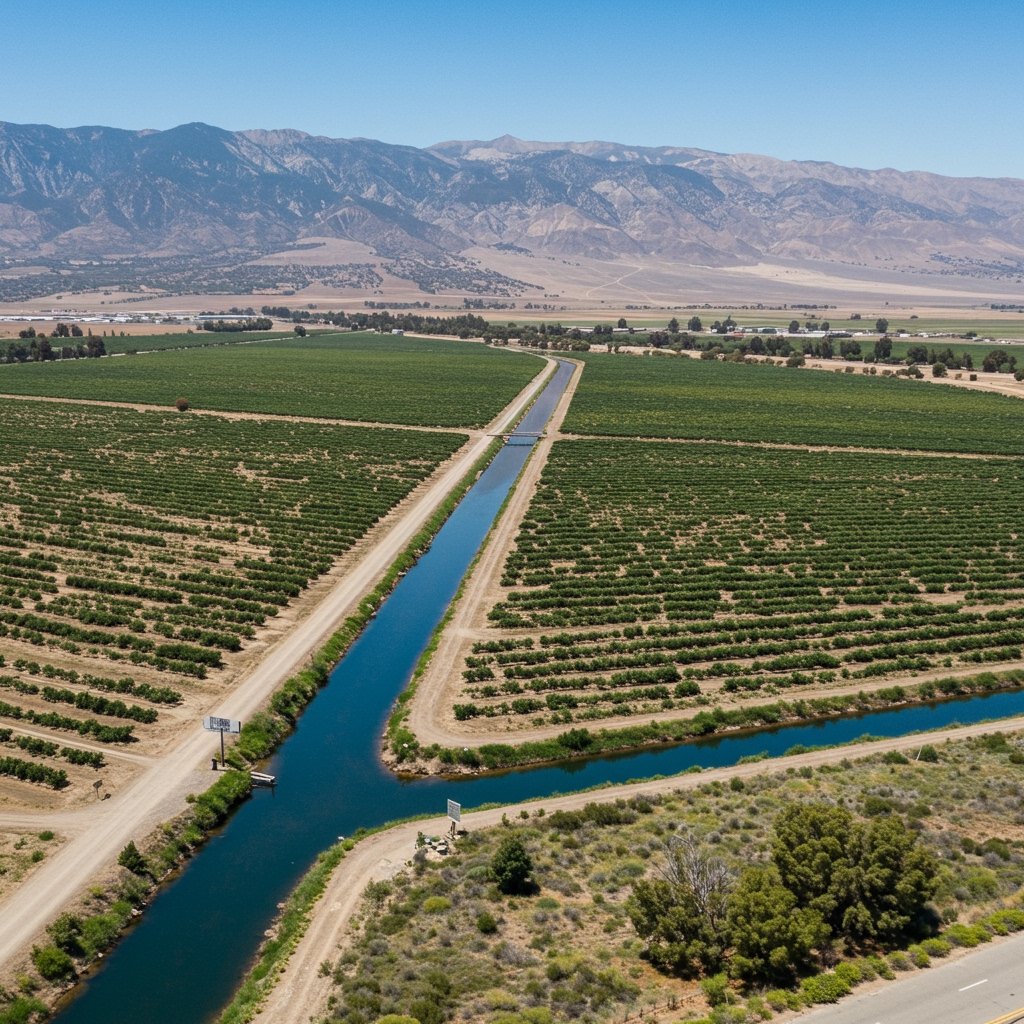
State Proposes Significant Agricultural Water Cuts
Sacramento, CA – The California State Water Resources Control Board (SWRCB) yesterday took a decisive step in addressing the state’s ongoing water scarcity challenges, unveiling Proposal 25-D. This new regulatory measure mandates a 15% reduction in what is defined as non-essential water use specifically for agricultural users within the vital Central Valley. If adopted, the proposal is slated to take effect on October 1, 2025.
This action by the SWRCB comes directly in response to updated projections from the California Department of Water Resources (DWR). The latest DWR analysis indicates a significant increase in the likelihood of severe drought conditions persisting throughout California, potentially extending through the year 2026. State officials assert that proactive measures are necessary to conserve dwindling water supplies and build resilience against prolonged dry periods exacerbated by climate change.
Proposal 25-D: Details and Rationale
Proposal 25-D represents a targeted approach to water conservation within one of California’s most water-intensive sectors. While the proposal specifies a 15% cut, the precise definition and scope of “non-essential water use” for agricultural operations in the Central Valley remain subjects of considerable discussion and concern among stakeholders. Typically, essential agricultural water use relates to the irrigation required to prevent permanent crop damage and maintain minimum yields necessary for farm viability. Non-essential uses could potentially involve irrigation practices beyond these minimums, landscape watering on farm properties, or other discretionary applications.
The SWRCB, the state agency responsible for allocating water rights and regulating water quality, framed Proposal 25-D as a necessary precautionary measure. Citing the DWR’s revised forecasts, board members highlighted the need to conserve water in key reservoirs and groundwater basins now to mitigate potential crises should severe drought conditions materialize as predicted over the next two years. The Central Valley, often referred to as the nation’s fruit and vegetable basket, relies heavily on both surface water deliveries and groundwater, both of which are significantly impacted by drought.
Strong Opposition from Agricultural Sector
The unveiling of Proposal 25-D has met with vehement opposition from agricultural representatives, most notably the California Farm Bureau Federation. The powerful farming advocacy group immediately issued a strong statement condemning the proposal, warning of potentially catastrophic economic consequences for the state’s leading industry.
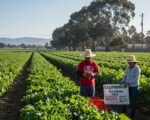
Jamie Johansson, President of the California Farm Bureau Federation, stated that a 15% reduction in water use, even if termed “non-essential,” could translate into billions of dollars in losses for farmers already grappling with high costs, labor shortages, and market fluctuations. The Federation estimates that the proposed cuts could significantly disrupt operations across over 500,000 acres of agricultural land in the Central Valley alone. They argue that modern farming practices prioritize efficient water use and that any reduction in irrigation during critical growing periods can severely impact crop quality, yield, and ultimately, farm solvency.
The Farm Bureau’s position is that water used for growing food and fiber is inherently essential, and that blanket percentage cuts fail to account for the diverse needs of different crops and farming methods. They advocate for more flexible, locally-driven conservation strategies and investments in water infrastructure and technology rather than mandatory restrictions they view as punitive and economically damaging.
Environmental Groups Applaud Proposal
In stark contrast to the agricultural sector’s reaction, environmental advocacy groups have lauded Proposal 25-D. Organizations such as Heal the Bay and Sierra Club California have publicly expressed their support, characterizing the measure as a critical and overdue step towards sustainable water management in California.
Environmentalists argue that past water management practices have over-allocated the state’s limited resources, leading to stressed ecosystems, depleted groundwater reserves, and insufficient water flows for rivers and endangered species. They contend that agricultural water use, which accounts for the largest share of California’s developed water supply, must be part of the conservation solution, especially during periods of predicted drought. The groups view Proposal 25-D as a necessary move to balance human water demands with the needs of the environment and ensure long-term water security for the state.
Navigating California’s Water Future
California’s water challenges are complex, involving competing demands from agriculture, urban areas, industry, and the environment, all set against the backdrop of a changing climate that is making droughts more frequent and intense. The Central Valley is particularly vulnerable due to its vast irrigated acreage and reliance on a water delivery system that is often strained.
Proposal 25-D is not yet final. It will undergo a public comment period, providing stakeholders across the state an opportunity to provide feedback. The SWRCB will then hold public hearings and consider revisions before potentially voting on its adoption. This process is likely to involve intense debate and lobbying from all sides. The outcome will significantly influence how water is managed in California during what could be a challenging period of extended drought, highlighting the persistent tension between economic interests and environmental sustainability in the Golden State’s vital water resources.