California Fast Food Workers Could See Minimum Wage Jump to $25 Under New Bill
A significant legislative proposal is set to impact the fast food industry across California, potentially raising the minimum wage for employees in this sector to a landmark $25 per hour. Assembly Bill 123, sponsored by Assemblymember Maria Rodriguez, was formally introduced in the California legislature on February 19, 2025, immediately sparking robust debate among labor advocates, industry representatives, and policymakers.
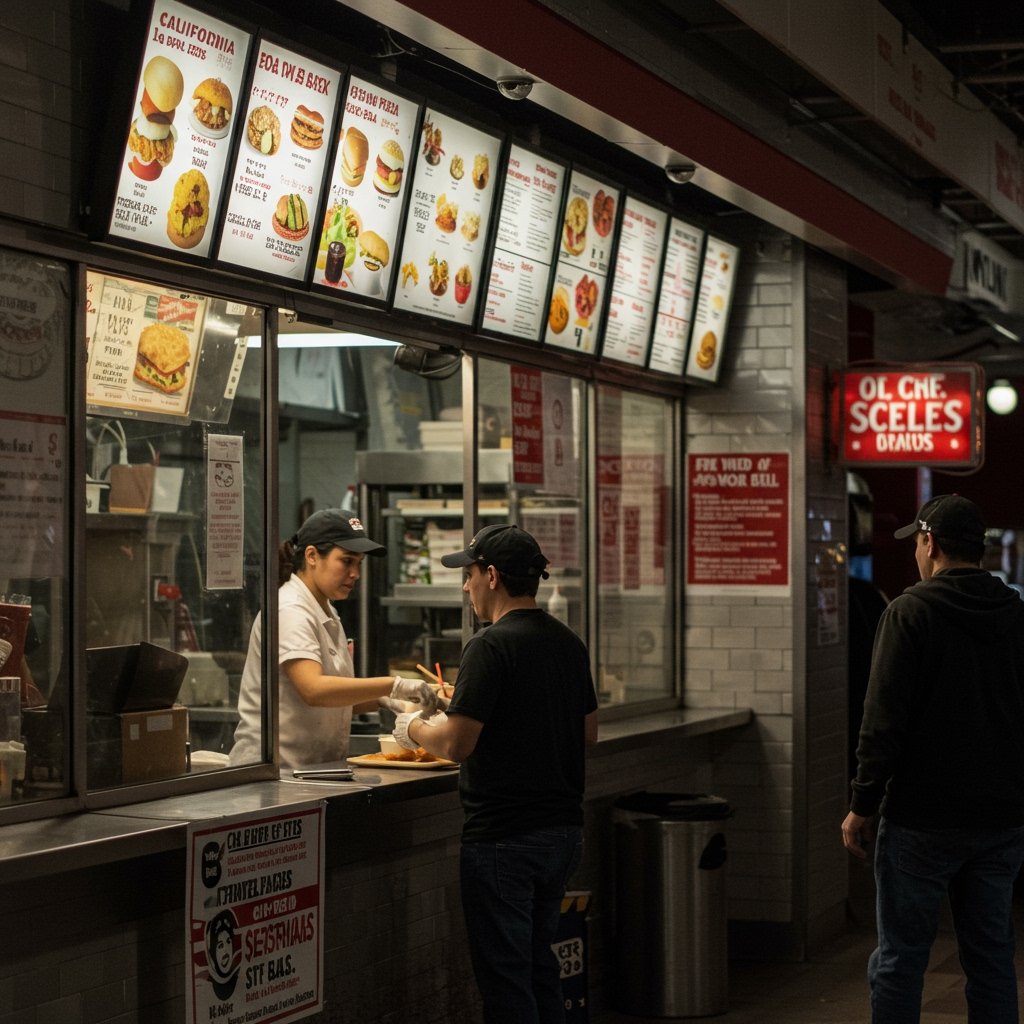
This bill targets a specific segment of the state’s vast workforce: employees within fast food restaurants. Unlike previous minimum wage increases that apply broadly across most industries, AB 123 is narrowly focused, aiming to address what proponents describe as uniquely challenging working conditions and inadequate compensation within the fast food sector, which often employs a significant number of low-wage workers.
Driving Factors Behind the Proposal
The push for a higher minimum wage for fast food workers is primarily driven by concerns over the escalating cost of living in California, one of the most expensive states in the nation. Supporters of AB 123 argue that the current minimum wage, while higher than the federal level, is simply insufficient for workers, especially those with families, to afford basic necessities such as housing, food, and healthcare in major metropolitan areas and even increasingly in smaller communities.
Proponents, including various labor unions and worker advocacy groups, contend that many fast food employees currently rely on public assistance programs despite working full-time, highlighting a need for wages that reflect the true cost of survival in the state. They assert that a $25 minimum wage would provide a crucial lifeline, lifting thousands of workers out of poverty and reducing dependency on public funds. Beyond financial considerations, proponents also argue that a higher wage could lead to improved working conditions, potentially reducing high turnover rates and fostering a more stable and experienced workforce within the industry.
Assemblymember Rodriguez and her allies frame the bill as a matter of economic justice, arguing that fast food companies, many of which are large corporations with substantial revenues, can absorb the increased labor costs without significantly detrimental impacts, distributing profits more equitably towards the workers who generate them.
Industry Opposition and Economic Concerns
The proposal has been met with staunch opposition from industry groups, most notably the California Restaurant Association (CRA). The CRA and its members argue that a sudden and substantial increase to a $25 minimum wage would impose an unsustainable financial burden on fast food businesses, many of which are franchises owned by independent operators who operate on thin profit margins.
Opponents warn of severe economic consequences if AB 123 is enacted. They predict that businesses would be forced to implement widespread price hikes on menu items, making fast food less affordable for consumers. Furthermore, they caution that restaurants might need to reduce employee hours, slow down hiring, or even resort to layoffs or automation to offset the increased labor expenses. Some smaller or less profitable establishments, they argue, could be forced to close entirely.
The CRA emphasizes that while large corporate chains might have more capacity to absorb costs, the majority of fast food locations are owned by small business owners whose financial viability would be directly threatened by such a significant wage mandate. They also raise questions about the fairness of targeting only the fast food sector, arguing that similar pressures exist in other low-wage service industries.
The Legislative Path Ahead
Assembly Bill 123’s journey through the legislative process is just beginning. The bill is currently scheduled for its first critical step: a committee hearing. This initial hearing is set to take place on March 5th, where it will be reviewed by the appropriate legislative committee.
During this hearing, various stakeholders will have the opportunity to provide public testimony, presenting their arguments for and against the measure. Representatives from labor organizations will likely speak in favor, sharing personal stories from workers and economic data supporting the need for the wage increase. Industry representatives, including restaurant owners and executives from the California Restaurant Association, will present their case against the bill, detailing potential negative impacts on businesses, employment, and consumer costs.
The outcome of this first committee hearing will be crucial in determining the bill’s future. If it passes this stage, it will move on to subsequent committees and potentially a full vote in the Assembly before potentially moving to the State Senate. The legislative process is often lengthy and subject to amendments and intense lobbying from all sides.
Potential Implications and Future Outlook
The debate surrounding AB 123 highlights the ongoing tension between ensuring workers earn a living wage and maintaining a viable business environment. Should the bill pass, California’s fast food industry could become a testing ground for a significantly higher sector-specific minimum wage, with potential ripple effects on wages in other service industries.
Conversely, if the bill fails, the focus might shift back to broader minimum wage legislation or local wage ordinances. The outcome will undoubtedly be watched closely by other states considering similar measures to address income inequality and the rising cost of living.
The coming months will reveal whether the arguments for economic justice and worker welfare, as presented by proponents of AB 123, will outweigh the concerns regarding economic viability and potential job losses voiced by the fast food industry. The March 5th hearing marks the official commencement of this significant legislative battle.