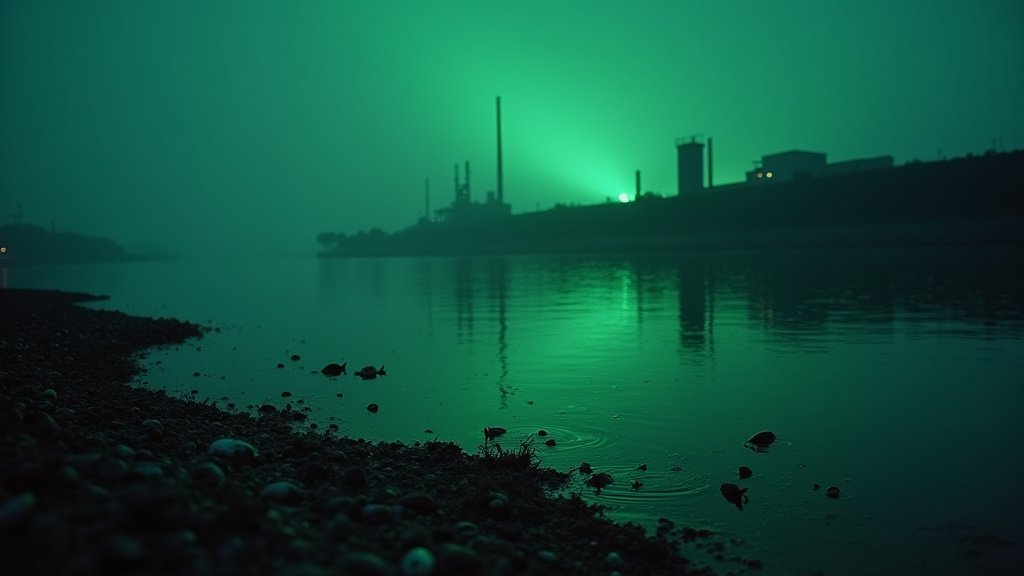
Environmental groups have filed a major lawsuit. They are suing BioOregon Protein. This company is a subsidiary of Pacific Seafood. The lawsuit alleges serious Clean Water Act violations. These violations occurred in Warrenton, Oregon. The core issue is pollution of the Columbia River.
Allegations of Widespread Pollution
The nonprofits claim BioOregon Protein has a long history of breaking its permits. These are permits issued under the Clean Water Act. They allege over 6,180 violations since April 2022. The violations include discharging pollutants. Chlorine is a primary pollutant cited. The groups state chlorine levels far exceeded permit limits. Some discharges were up to 4,000% higher than allowed. In one instance, chlorine levels were over 73,000% of the daily limit.
Furthermore, BioOregon Protein allegedly failed to submit required monitoring reports. This lack of reporting hinders oversight. It also prevents timely detection of problems. Kingsly McConnell, an attorney with the Center for Food Safety, noted chlorine’s toxicity. It harms fish and wildlife. It also negatively impacts water quality.
Key Players in the Lawsuit
The lawsuit was filed by two main environmental groups. These are the Center for Food Safety (CFS) and the Northwest Environmental Defense Center (NEDC). These groups advocate for clean water and environmental protection.
BioOregon Protein, also known as Pacific Bio Products-Warrenton, is the defendant. It processes fish and shellfish byproducts. These products become feed ingredients and organic fertilizer. Its parent company is Pacific Seafood. Pacific Seafood is a major seafood company. It operates facilities along the West Coast. This lawsuit highlights environmental concerns in the food industry.
Company’s Response and Past Issues
Pacific Seafood disputes many of the allegations. A company spokesperson called the violation numbers “made-up.” They cited an “egregious misunderstanding” of permit requirements. The company believes such lawsuits are used to extract fees and penalties. However, Pacific Seafood has a record of environmental issues.
In 2020, Pacific Seafood paid a $190,000 penalty. This was for Clean Water Act violations at its Westport, Washington facility. That facility had over 2,100 violations. In 2023, another Pacific Seafood site in Warrenton faced a $41,000 penalty. This was for discharging fish waste into the Skipanon River. The Oregon Department of Environmental Quality (DEQ) previously issued a pre-enforcement notice to BioOregon. This was for exceeding chlorine and pH limits in November 2025. The DEQ is working with BioOregon on corrective actions.
Implications for the Columbia River and Coast
These alleged violations have significant implications. The Columbia River is a vital ecosystem. It supports endangered species and critical habitats. Pollution threatens aquatic life and human communities dependent on the river. The groups argue that Pacific Seafood’s actions harm this treasured resource.
This case is part of a larger trend of environmental scrutiny for West Coast industries. Seafood processors face increasing pressure to maintain clean operations. The lawsuit seeks an injunction to stop the alleged pollution. It demands accountability for the company’s environmental impact. This trending news underscores the ongoing challenges of balancing industrial activity with environmental protection on the coast.
Legal Battle Continues
The lawsuit proceeds in federal court. The environmental groups seek to halt the alleged ongoing pollution. Pacific Seafood maintains the groups are factually incorrect. The legal outcome will shape future environmental compliance for the company and the broader seafood industry. This food news remains a developing story.