West Coast Housing: Cowichan Valley Housing Progress Amidst Persistent Affordability Challenges
The Cowichan Valley, a picturesque region on Canada’s West Coast, faces ongoing Cowichan Valley housing challenges. Many residents still struggle with high rents and housing prices. This is despite recent efforts and a notable new development. Property assessments in 2026 brought some relief. However, affordability remains a distant dream for many. This news highlights the persistent gap in Cowichan Valley housing. It also shows the dedicated work to bridge it.
A New Co-op Housing Project for Cowichan Valley
Good news emerged in late January 2026. Officials broke ground on a $65 million co-op housing project. This significant development is in North Cowichan. It will provide 92 new homes, contributing to the overall Cowichan Valley housing supply. The project represents a major step forward. It is the first non-profit co-op housing development north of the Malahat.
Funding for this project comes from multiple government levels. The federal government contributed over $44.7 million. The province of British Columbia also provided $16.6 million through BC Housing. An additional $1.6 million from BC will support annual operating subsidies. The Municipality of North Cowichan is also contributing to this vital North Cowichan development. They provided land equity valued at $3.2 million. They also waived municipal fees totaling $447,000.
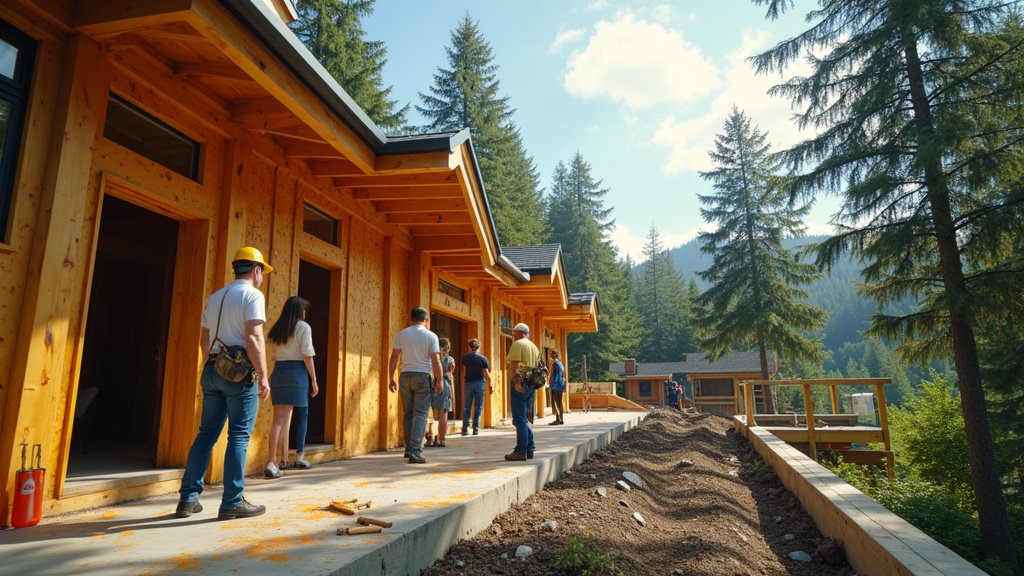
Construction is now underway. The project is expected to be finished by early 2028. The Community Land Trust will own and operate the homes. This co-op model fosters community. It encourages members to manage their homes collectively. Many anticipate these homes will be truly affordable. They will be designed for a range of incomes, addressing the Cowichan Valley housing crisis.
The Broader Cowichan Valley Housing Crisis
This new co-op project offers a beacon of hope for Cowichan Valley housing. However, it is just one piece of a larger puzzle. The Cowichan Valley faces a significant housing crisis. Rental vacancy rates have plunged to a mere 0.6 percent, a key indicator of the severe housing supply shortage. Home prices have also surged dramatically. They increased by 115 percent in the last five years, reflecting broader BC housing affordability issues.
Many residents spend far too much on housing. Some in Duncan now spend over half their income on rent. The goal of spending no more than 30 percent of income on housing is out of reach for many. This affects young people and seniors alike. The lack of affordable housing solutions strains the entire region. It hinders economic activity.
Efforts to Increase Cowichan Valley Housing Supply
Despite the challenges, efforts continue. North Cowichan has an Affordable Housing Policy. They aim to increase housing supply. They also seek to protect existing rental units. The municipality is exploring other affordable housing options. This includes plans for 58 affordable housing apartments.
Other groups are also active. Michael Ruge’s company, Affordable Apartments, focuses on the crisis. They aim to build eco-friendly homes. These homes are also designed to be affordable. The Cowichan Housing Association offers support programs. They help those at risk of losing their housing.
Property Assessments and Rents in Cowichan Valley
Property assessments in 2026 offered slight relief. Values remained fairly stable. However, this does not directly translate to lower housing costs. Property taxes are also influenced by municipal budgets. The West Coast real estate market remains dynamic.
Meanwhile, rents are under provincial control. British Columbia capped maximum rent increases at 2.3 percent for 2026. This is down from three percent in the previous year. This measure aims to protect renters. It offers some stability against unfair hikes. However, it does not solve the fundamental issue of high rental rates impacting Cowichan Valley housing affordability.
Looking Ahead for Cowichan Valley Housing
The Cowichan Valley needs more housing. Officials project a need for 5,000 additional units by 2025. Many of these should be one-bedroom units. This addresses demand from smaller households and contributes to essential affordable housing solutions.
The new co-op housing project is a welcome development for Cowichan Valley housing. It shows what collaboration can achieve. Continued perseverance is essential. Addressing the housing crisis requires sustained effort. It needs partnerships across all levels of government. It also needs creative solutions from the private sector and non-profits. The path forward involves building more homes. It also means ensuring those homes are genuinely affordable for residents on the West Coast. This ongoing news highlights a critical need. It also shows a growing commitment to find lasting solutions for Cowichan Valley housing.