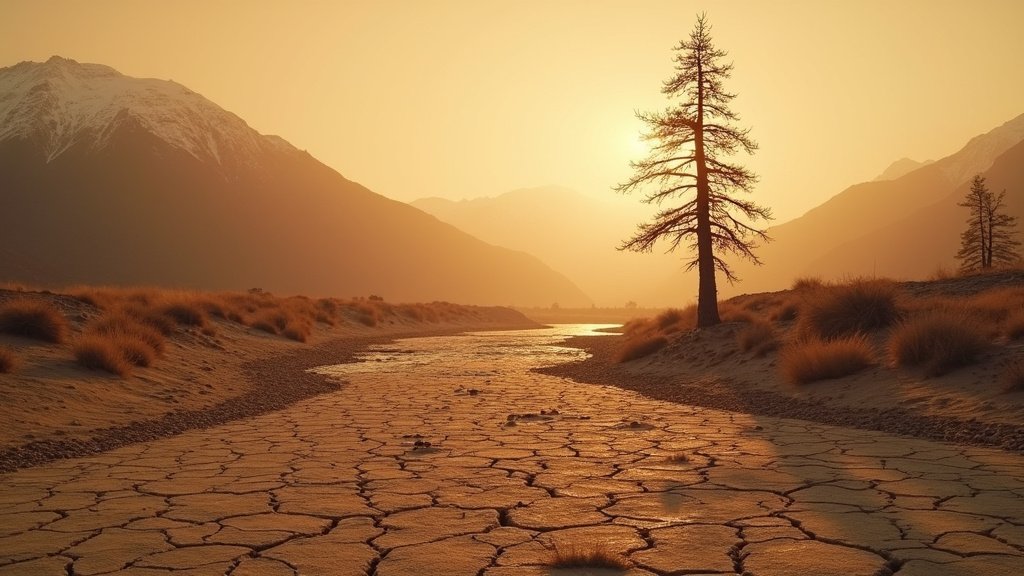
The intensifying Colorado Snow Drought, driven by record-breaking warm temperatures that prevent snow accumulation, poses a severe threat to the state’s winter water supply and its critical spring water availability. This prolonged lack of snowpack is an alarming concern for the entire West, making the Colorado Snow Drought a current news focus for urgent investigations.
Understanding the Colorado Snow Drought
Colorado’s snowpack is at a historic low for this time of year. As of January 13, 2026, it is only 63% of the long-term median. Some river basins are faring worse, with the Colorado River headwaters at a concerning 58% of normal and the Arkansas River basin reaching only 50%. This significant Colorado Snow Drought is primarily driven by exceptionally warm winter weather; December 2025 was the warmest on record for Colorado, with average air temperatures exceeding normal by over 11 degrees Fahrenheit. Warmer conditions mean that precipitation often falls as rain, not snow, exacerbating the low snowpack conditions.
Climate Change Fuels Worsening Drought Conditions
Human-caused climate change is a primary driver of this intensifying drought, directly impacting the Colorado Snow Drought. Warmer temperatures increase the atmosphere’s “thirst,” known as evaporative demand, causing it to pull more moisture from the land and soil. Even average precipitation may not be enough to counteract this effect. Higher temperatures alone can trigger drought, and climate change also disrupts natural climate patterns like the Pacific Decadal Oscillation, affecting regional rainfall. This ongoing Colorado Snow Drought is not a new phenomenon; Colorado has faced four major droughts since 2000, underscoring the long-term implications of climate change drought.
Threat to Spring and Summer Water Resources from Low Snowpack
The critically low snowpack directly endangers Colorado’s spring and summer water availability, a direct consequence of the Colorado Snow Drought. Snowpack meltwater is crucial for rivers and aquifers, replenishing vital systems like the Colorado River. Current forecasts suggest the Colorado River’s flow may be less than 60% of normal, and the Bureau of Reclamation predicts critically low levels for Lake Mead, potentially reaching only 27% of normal by 2027. This looming spring water shortage impacts 40 million people across seven states, highlighting the severity of the Western drought.
Wider Consequences and Future Concerns of the Colorado Snow Drought
The drought’s effects extend beyond water resources, creating a complex crisis. Dry, warm conditions heighten wildfire risk, and the winter tourism industry is already struggling, with some ski resorts taking extreme measures to stay open. Farmers and ranchers are reducing their water usage, and groundwater aquifers are also depleting rapidly, at a faster rate than surface water loss. Meteorologists express deep concern for the region’s long-term future, describing the situation as grim. Water managers face difficult choices as negotiations among the seven Colorado River Basin states regarding water allocation plans are ongoing and complex. Key reservoir operating guidelines expire in 2026, and without an agreement, federal intervention might become necessary to address the persistent Colorado Snow Drought.
Investigations and Outlook for Colorado Water Resource Management
The lack of snow is unprecedented in many Western areas, and experts believe future precipitation may not fully compensate for current deficits. This ongoing crisis requires urgent attention and necessitates a focus on sustainable water resource management. Investigations into effective strategies are trending as the current situation presents a clear risk to the West’s water future. There is little relief in sight for the trending dry conditions, and the news from the West highlights a critical environmental challenge driven by the Colorado Snow Drought.