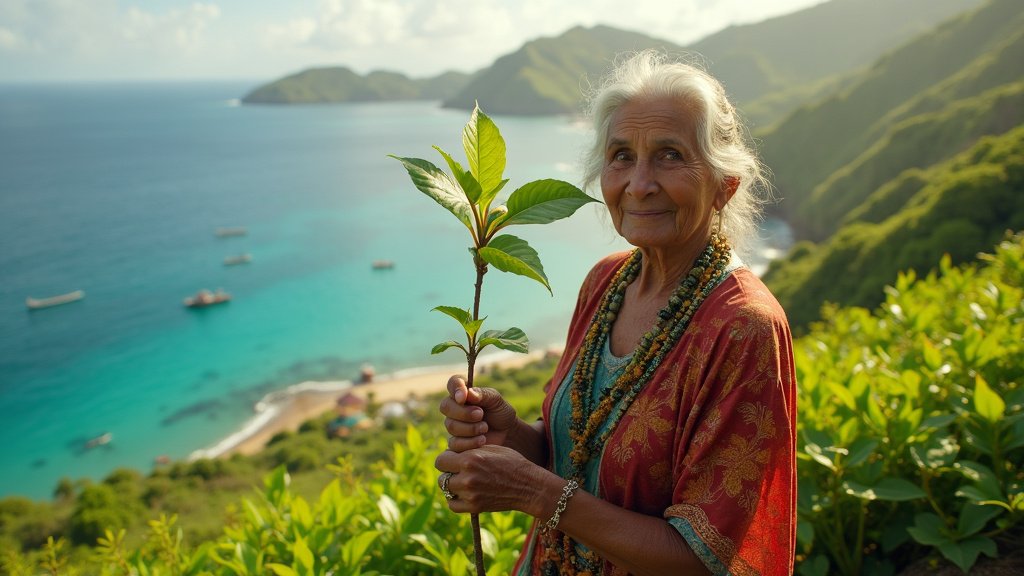
Hawaii, a global icon for its breathtaking landscapes and vibrant culture, is undergoing a significant transformation in how it welcomes visitors. As the state grapples with the immense economic contributions of its multi-billion dollar tourism industry, a powerful movement, spearheaded by Native Hawaiians, is charting a course toward “regenerative tourism.” This new paradigm aims to move beyond mere sustainability, focusing instead on enriching both the local community and the visitor experience, ensuring that tourism gives back more than it takes.
The Vision for a Regenerative Future
For decades, Hawaii’s economy has been deeply intertwined with its $20 billion tourism industry. However, the sheer volume of visitors has placed considerable strain on the islands’ natural resources, infrastructure, and the daily lifestyle of residents, often leading to cultural commodification and a disconnect from authentic heritage. Recognizing these challenges, Native Hawaiian leaders and organizations are pioneering strategies to foster a more respectful and reciprocal relationship between visitors and the islands.
“Regenerative tourism” is not just a buzzword; it represents a fundamental shift in philosophy. It’s about actively restoring and nurturing the places and people impacted by tourism. This approach emphasizes creating opportunities for local communities to benefit economically beyond low-wage jobs, increasing in-state business ownership, and fostering a deeper understanding of Hawaiian culture. The goal is to ensure that visitors leave with a genuine appreciation and connection, while the islands and their people are left better off. This evolving travel landscape is the subject of much current news and discussion.
Key Initiatives Taking Root
A prime example of this shift is unfolding on Oahu’s west side at the Ko Olina Resort. The resort has partnered with the Council for Native Hawaiian Advancement (CNHA) to dedicate nearly 18 acres to cultural programming. This collaboration will guide future development and curate spaces that foster a deeper connection to Hawaii’s heritage for visitors, acting as a cultural consultant and ensuring that development aligns with Native Hawaiian values. CNHA CEO Kūhio Lewis emphasizes that for the industry to be truly regenerative, it must be guided by Native Hawaiian perspectives and rooted in authentic experiences, stating, “We’re reclaiming our culture”.
Beyond large resorts, initiatives like North Shore Eco Tours, founded by Native Hawaiian Noah Keola Ryan, exemplify this movement on a smaller scale. Ryan’s tours focus on providing cultural insights from an insider’s perspective, moving away from the superficial entertainment model of traditional tours and offering visitors a more profound, respectful connection to the land and its traditions. In Waikiki, the Kilohana luau at the Hyatt Regency Waikiki is another initiative, funded by the state’s regenerative tourism efforts, aiming to introduce authentic Hawaiian hula and cultural experiences into the heart of the tourist district, employing local performers who share genuine cultural narratives.
Navigating Economic Pressures and Rising Costs
Despite the compelling vision for regenerative tourism, significant economic pressures pose challenges. Hawaii remains heavily reliant on tourism, which contributes substantially to its economy. However, recent trends indicate a complex financial picture. A report from September 2025 noted a 5% drop in visitor numbers compared to the previous year, partly due to international factors like the weakening Japanese yen affecting visitors from Japan. The state is also contending with a potential recession, rising tariffs, and global travel slowdowns.
The cost of living for residents is a persistent issue exacerbated by tourism, and this can also impact tourist spending. While affluent travelers may still find value, the overall cost of a Hawaiian vacation is a consideration for many. This economic uncertainty is coupled with concerns about airlift capacity and geopolitical tensions that can affect international travel. The development of new large-scale resorts, such as the planned Atlantis resort near Ko Olina, also presents a complex variable, with critics arguing such projects could strain resources and undermine authentic cultural experiences.
In response to some of these pressures, Hawaii has implemented policies like a “green tax” on hotel and cruise ship stays, expected to generate funds for climate change mitigation and conservation efforts starting in 2026. These measures are part of a broader effort to balance economic necessity with environmental and cultural preservation.
A Commitment to Aloha ʻĀina
The movement towards regenerative tourism is deeply rooted in Hawaiian values such as mālama (care for the land), kuleana (responsibility), and aloha (connection). Native Hawaiians are increasingly taking leadership roles within tourism agencies and marketing budgets, ensuring that their voices and perspectives are integrated into the industry’s future. This approach acknowledges historical trauma and the lasting impacts of colonization, recognizing that healing and cultural revitalization are integral to long-term sustainability and a respectful tourism model.
Ultimately, Hawaii is striving to redefine its lifestyle and travel offerings. It’s a conscious effort to shift from an industry that merely attracts visitors to one that educates, respects, and actively contributes to the well-being of the islands and their people. While challenges persist, the growing focus on regenerative tourism signals a promising, albeit complex, path forward for this beloved destination. This evolving narrative is trending as a critical aspect of Hawaii’s future.